


Stainless steel is highly favored for its attractive appearance, corrosion-resistant properties, and durability.
However, when brown rust spots appear on the surface of stainless steel pipes, people are surprised: why does "stainless steel" rust? If it rusts, can it still be called "stainless steel"? Is there a problem with the material?
In fact, this is a one-sided misconception about stainless steel, as it can also rust under certain conditions.
Stainless steel has the ability to resist atmospheric oxidation, that is, stainless steel, and also has the ability to resist corrosion in media containing acid, alkali, and salt, that is, corrosion resistance. But the magnitude of its corrosion resistance varies with the chemical composition, additive state, usage conditions, and environmental medium type of the steel itself.
Stainless steel made of 304 material has absolutely excellent corrosion resistance in dry and clean atmosphere, but when moved to coastal areas, it will quickly rust in sea fog containing a large amount of salt; The 316 material performs well. Therefore, not any type of stainless steel can resist corrosion and rust in any environment.
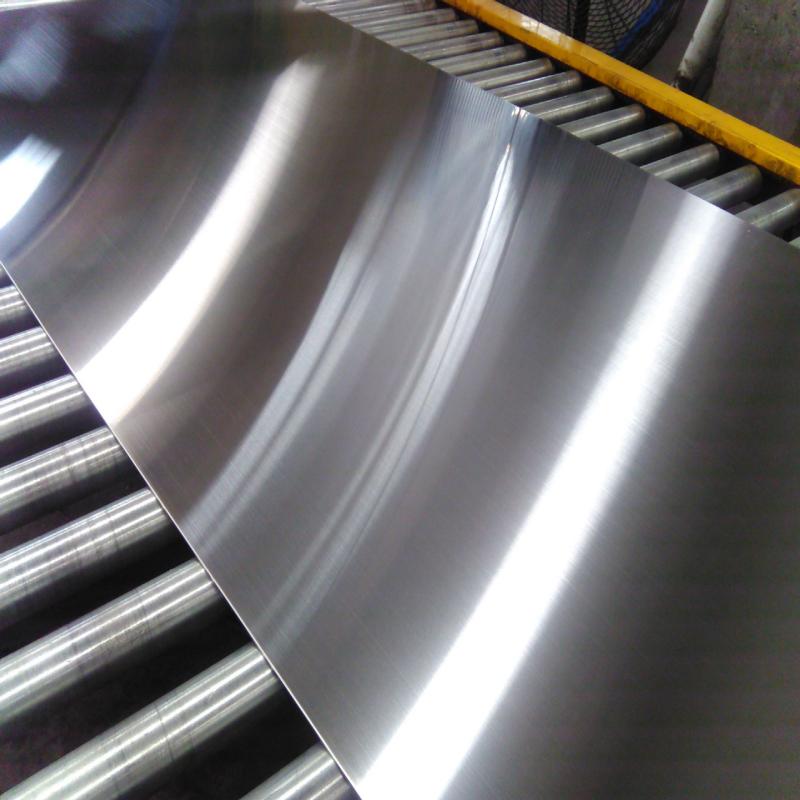
The stainless steel protective film will also be damaged
Stainless steel has the ability to resist corrosion by forming a thin, strong, and stable chromium rich oxide film (protective film) on its surface, which prevents the further infiltration and oxidation of oxygen atoms. Once for some reason, this thin film is continuously damaged, oxygen atoms in air or liquid will continuously infiltrate, or iron atoms in metal will continuously separate, forming loose iron oxide, and the metal surface will also be continuously corroded. This surface facial mask is damaged in many ways.
The following are commonly seen in daily life:
1. On the surface of stainless steel, there are deposits of dust or foreign metal particles containing other metal elements. In humid air, the condensed water between the deposits and stainless steel forms a micro battery, triggering an electrochemical reaction that damages the protective film, known as electrochemical corrosion.
2. Organic substances adhere to the surface of stainless steel, forming organic acids in the presence of water and oxygen. Over time, these organic acids can corrode the metal surface.
3. The surface of stainless steel adheres to substances containing acids, alkalis, and salts (such as alkali water and lime water splashes from decorating walls), causing local corrosion.
4. In polluted air (such as atmosphere containing a large amount of sulfides, carbon oxides, and nitrogen oxides), when it comes into contact with condensed water, sulfuric acid, nitric acid, and acetic acid liquid points are formed, causing chemical corrosion.
All of the above situations can cause damage to the protective film on the surface of stainless steel, leading to rusting. So, to ensure that the metal surface is permanently shiny and not corroded, we suggest:
1. It is necessary to regularly clean and scrub the surface of decorative stainless steel to remove attachments and eliminate external factors that may cause decoration.
2. 316 stainless steel should be used in coastal areas, which can resist seawater corrosion.
3.Some stainless steel chemical compositions on the market cannot meet the corresponding national standards and cannot meet the material requirements. Therefore, it can also cause rust, which requires users to carefully choose products from reputable manufacturers.
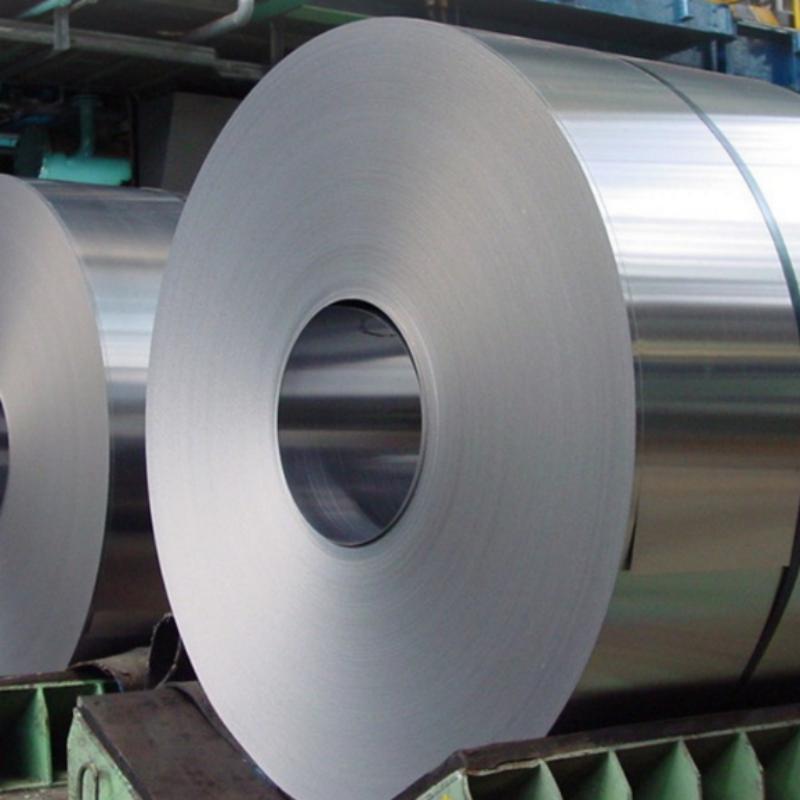
Why does stainless steel also have magnetism?
People often think that magnets can adsorb stainless steel materials to verify their quality and authenticity. If they do not attract or have no magnetism, they are considered good and genuine; If the user has magnetism, it is considered a counterfeit product. Actually, this is an incorrect method of identification.
There are many types of stainless steel, which can be divided into several categories according to their organizational structure at room temperature:
1. Austenitic body types: such as 201, 202, 301, 304, and 316;
2. Martensitic or ferritic type: such as 430, 420, and 410.
Austenite is non-magnetic or weakly magnetic, while martensite or ferrite is magnetic.
Due to compositional segregation or improper heat treatment during smelting, a small amount of martensite or ferrite structure may occur in austenitic 304 stainless steel. In this way, 304 stainless steel will have weak magnetism.
In addition, after cold processing, the microstructure of 304 stainless steel will also transform into martensite. The greater the deformation degree during cold processing, the more martensite transforms, and the greater the magnetic properties of the steel. To completely eliminate the magnetism of 304 steel caused by the above reasons, high-temperature solution treatment can be used to restore stable austenite structure and eliminate magnetism.
It should be noted that the magnetism of 304 stainless steel is not at the same level as other materials such as 430 and carbon steel due to the above reasons, which means that the magnetism of 304 steel always shows weak magnetism.

This tells us that if stainless steel has weak magnetism or no magnetism at all, it should be classified as 304 or 316 material; If it exhibits strong magnetism similar to carbon steel, it should be determined that it is not made of 304 material.
Hongwang hot annealing& pickling line combine in line 3-stand tandem mill trial production succeed
2020-10-30Hongwang Group's New Project Progress
2022-07-26Hunan Hongwang silicon steel project officially starts production
2023-03-28HWHG Ranks 442nd in 2024 China Top 500 Enterprises
2024-10-24LME nickel price hits 5-week high,
2023-06-20HONGWANG SS304 BA SURFACE,SO BRIGHT!
2022-08-18