


1. What is Titanium Grade1 and how does it differ?
Composition: Grade1 titanium is one of the purest titanium grades, containing 99.5% pure titanium. This purity endows it with excellent ductility and softness, while maintaining superior corrosion resistance, weldability, and formability.
Characteristics: Capable of being easily processed into complex shapes while maintaining strength and stability. Performances excellently in highly corrosive or harsh environments, where its purity not only enhances flexibility but also ensures stability under extreme conditions – essential properties for many industrial applications. Additionally, it exhibits excellent biocompatibility, making it suitable for medical use as it does not react with human tissues and bodily fluids.
2. Key Properties of Titanium Grade1 Corrosion Resistance?
Exhibits exceptional corrosion resistance, capable of withstanding seawater and other corrosive environments. Unlike metals prone to rusting or degradation, Titanium Grade1 maintains its integrity over extended periods.
High melting point: Possesses a high melting point, maintaining structural stability at extremely high temperatures. This makes it an ideal material for applications such as jet engines and industrial furnaces, where high-temperature resistance is critical.
Non-magnetic: Possesses non-magnetic properties, making it suitable for applications such as electronic and MRI equipment. The absence of magnetic interference is critical for maintaining the accuracy of sensitive instruments, thereby ensuring the reliability of this material in specialized technical applications.
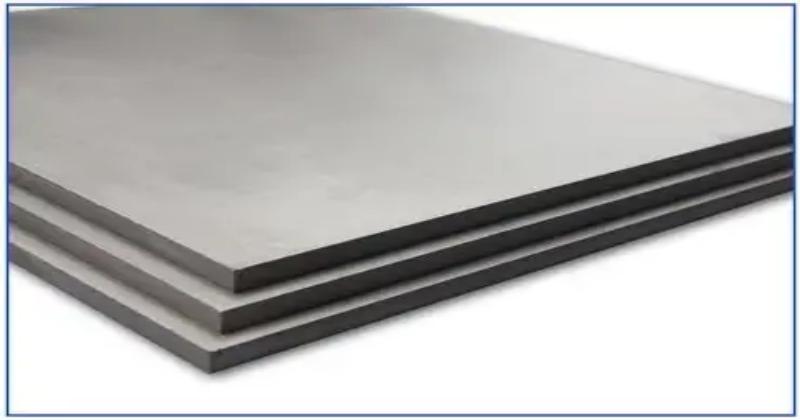
3. Applications of Titanium Grade1 in Industry Aerospace?
Due to its high strength-to-weight ratio, it has gained prominence in the aerospace industry, primarily used in high-altitude and high-temperature environments. Its corrosion resistance is particularly beneficial for aircraft, as they are often exposed to various environmental contaminants.
Chemical Industry: In chemical processing, titanium grade 1 is used to manufacture heat exchangers, storage tanks, and pipelines that must withstand corrosive chemicals. Particularly in seawater desalination plants, this grade is extensively utilized. Its exceptional resistance to seawater corrosion proves invaluable in infrastructure systems frequently exposed to marine environments, effectively reducing maintenance requirements and extending service life.
4. Why does Grade1 titanium exhibit corrosion resistance?
Oxidation layer: The exceptional corrosion resistance of Grade1 titanium is attributed to its naturally formed oxide layer on the surface. When exposed to oxygen, this layer forms a protective barrier that prevents further oxidation or corrosion. This self-healing property is unique to titanium, ensuring long-term durability in competitive environments.
Chloride corrosion: This oxide layer provides precise resistance to chloride-induced corrosion, which is common in marine and coastal environments. Consequently, Titanium Grade 1 is widely used in applications such as offshore platforms and ship hulls, where high durability under conventional seawater exposure is required.
Chemical resistance: The ability to withstand a wide range of chemicals, including acids, alkalis, and commercial solvents, is highly valuable in chemical handling. This protective property ensures long-term structural integrity of materials, reducing maintenance and replacement costs.
5. Comparison Between Titanium Grade1 and Other Titanium Grades Flexibility and Malleability?
Titanium Grade1 is characterized by its softness and excellent malleability, making it easier to process and form than other titanium grades. While it lacks the strength of Titanium Grade5 (aluminum and vanadium alloy), it outperforms the latter in corrosion resistance and flexibility, making it more suitable for applications where these properties are prioritized.
Cost-effectiveness: This grade is also more cost-effective than alloy grades, further enhancing its appeal to industries that utilize large quantities of materials. Its high purity ensures consistent performance without the presence of additional alloying elements.
6. Mechanical Properties of Titanium Grade1 Tensile Strength and Yield Strength?
Titanium Grade1 exhibits a minimum tensile strength of approximately 240 MPa and a yield strength of around 170 MPa, representing the most ductile titanium grade. Its exceptional ductility allows for a maximum elongation of 24%, making it suitable for applications requiring flexibility rather than maximum strength.
Lightweight: Although the material has relatively low strength, its density is only 4.51 g/cm³, making it significantly lighter than steel. The combination of lightweight properties and sufficient durability makes this material an ideal choice for industries that seek to reduce weight without compromising safety or reliability.
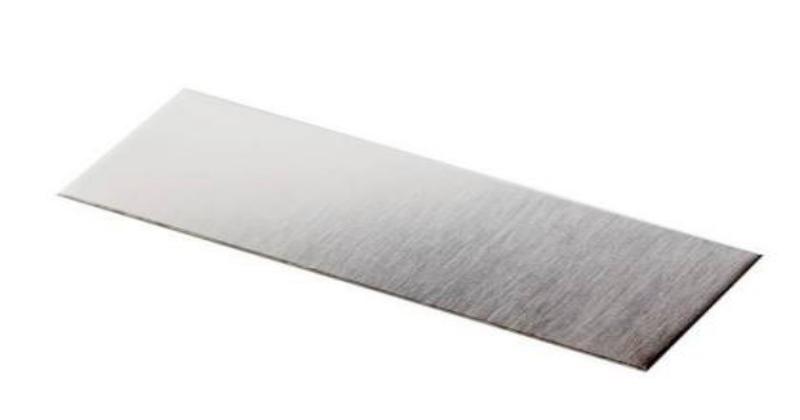
7. Why is Titanium Grade1 suitable for medical and marine applications?
Medical Field: Due to its biocompatibility, Grade1 titanium is an ideal material in the medical field, as it does not cause adverse effects or abnormal reactions in the human body. It is commonly used to manufacture medical implants such as hip replacement prostheses, dental implants, and pacemaker casings.
Marine Applications: Its exceptional resistance to seawater corrosion renders it indispensable. It is extensively utilized in marine equipment, propeller shafts, and subsea pipelines, where its durability and anti-biofouling properties effectively inhibit the growth of algae and other organisms.
Safety and Sustainability: Titanium Grade 1's low allergenicity and non-toxicity ensure long-term safety for medical and marine applications, making it a reliable and sustainable material for these demanding environments.
Simply introduce 316L stainless steel
2021-10-22Application of thin core technology in small transformers
2024-12-20Countermeasures of Cold Rolled Stainless Steel Strips Coiling Defects
2022-07-13What are the advantages of stainless steel flower pots?
2022-08-16The application of 304 stainless steel in daily life
2022-04-24The difference between 304 stainless steel and 316 stainless steel
2023-09-23